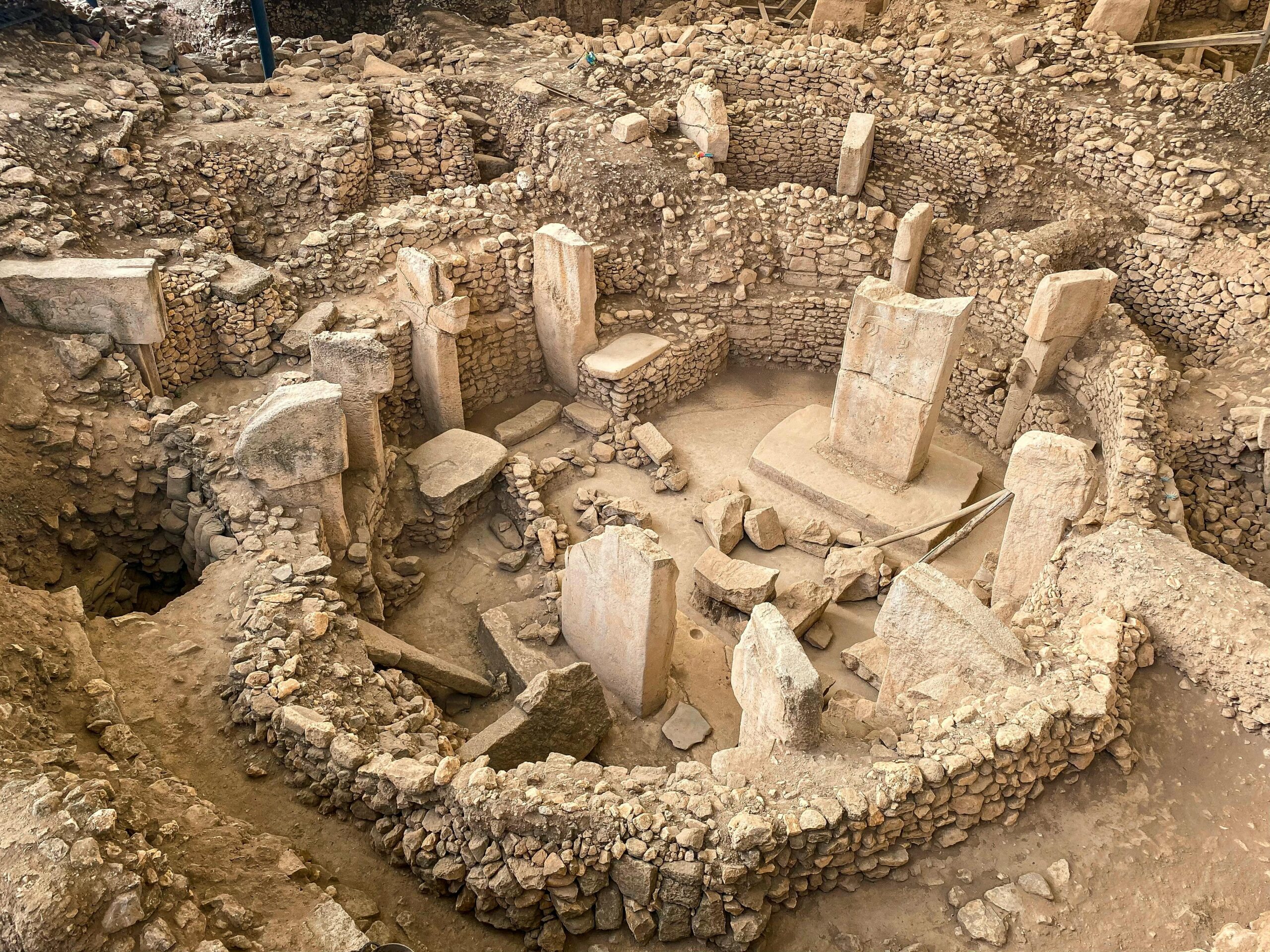
The story of humanity is intricately woven with the creation and use of tools. Among these, the world’s oldest stone tools stand as a testament to our ancestors’ ingenuity and resourcefulness. Dating back over 3 million years, these primitive implements not only reveal the skills of early humans but also mark a significant turning point in our evolutionary journey. They represent the dawn of technology and innovation, crucial milestones that propelled our species forward.
Tool-making was more than just a means of survival; it was a catalyst for change. As early societies began to craft and use these tools, they unlocked new possibilities for hunting, gathering, and social interaction. This burgeoning skill set fostered collaboration, laid the groundwork for complex social structures, and ultimately shaped the trajectory of human evolution. As we delve deeper into the fascinating world of these ancient artifacts, we uncover insights into how such simple objects transformed lives and laid the foundation for modern civilization. Join us on this journey as we explore the profound impact of the world’s oldest stone tools on humanity’s past, present, and future.
The Discovery of the World’s Oldest Stone Tools
The journey to uncover the world’s oldest stone tools began in the late 19th century, with significant discoveries made in various locations across Africa. One of the most notable sites is the Olduvai Gorge in Tanzania, where archaeologist Louis Leakey and his team unearthed a wealth of stone artifacts that date back approximately 1.8 million years. This site became a cornerstone for understanding early hominid behavior and tool-making practices, revealing that our ancestors had not only developed the ability to create tools but also utilized them effectively for survival in their environment. The Olduvai findings sparked a wave of archaeological interest, leading to further explorations across East Africa.
Another pivotal location in the study of ancient tools is the Gona site in Ethiopia, where researchers discovered stone tools estimated to be about 2.6 million years old. This discovery pushed the timeline of human technological innovation even further back, challenging existing theories about when tool-making began and its role in shaping social structures among early hominins. These findings provided crucial insights into how these tools were not just a means of survival but also a reflection of the complex social interactions that were emerging at the time.
Over the years, advancements in dating techniques and excavation methods have allowed archaeologists to refine their understanding of these ancient artifacts. The use of radiometric dating has helped establish a more precise timeline for the development of tool-making, revealing that it was a gradual process rather than a sudden leap in cognitive ability. Each discovery adds layers to our comprehension of how these tools influenced not just survival strategies but also the social dynamics among early humans, facilitating collaboration and the sharing of knowledge essential for community growth.
The ongoing research surrounding the world’s oldest stone tools continues to shape our understanding of human evolution. As archaeologists unearth new sites and analyze existing collections, they uncover details about the lives of our ancestors that inform both their social structures and cultural practices. These discoveries remind us that tool-making was not merely an act of necessity but a pivotal aspect of what it meant to be human, laying the foundation for the intricate societies that would follow.
The Craftsmanship Behind the Tools
The craftsmanship behind the world’s oldest stone tools is a testament to the ingenuity and resourcefulness of early humans. Archaeologists have identified a variety of techniques employed by our ancestors to create these essential implements, with one of the most notable being the “knapping” process. This technique involves striking a larger stone—often called a core—with a hammerstone to flake off sharp edges, resulting in tools like hand axes and scrapers. The precision required in knapping reflects not only the skill of the toolmakers but also their understanding of the material properties of different stones. For example, flint and obsidian, known for their ability to produce sharp edges, were commonly selected for their effectiveness in cutting and carving.
The choice of materials was critical, as early humans had to adapt to their environment and available resources. Regions rich in silica-based stones provided ideal raw materials for tool-making. For instance, sites near riverbeds often yielded abundant flint deposits that were easily accessible. This availability influenced not only the types of tools created but also the social dynamics of early human groups. Communities likely formed around these resources, fostering collaboration and communication development as individuals worked together to source materials and share techniques. Such interactions would have been crucial for honing skills that were vital for survival.
Moreover, the craftsmanship behind stone tools reveals much about early human social structures and hunting strategies. As tool-making became more sophisticated, so too did the methods employed in hunting. The creation of specialized tools, such as spear points or blades, enabled early humans to hunt more efficiently and effectively, leading to improved dietary practices. This advancement highlights a significant leap in cognitive abilities; the planning and foresight required for crafting tools tailored to specific tasks indicate a level of intelligence and social cooperation that laid the groundwork for future human innovations.
In essence, the craftsmanship involved in producing these ancient tools extends beyond mere survival; it encapsulates the evolution of human culture and community. The skills developed through tool-making fostered not just practical abilities but also deeper connections among individuals. As they shared knowledge and techniques across generations, early humans established a foundation for communication development that would ultimately influence the trajectory of human history itself.
Social Structures and Community Growth
The world’s oldest stone tools not only represent significant technological advancements but also played a crucial role in fostering social structures among early human communities. As these primitive societies began to create specialized tools for various tasks, collaboration became essential. Archaeological findings suggest that tool-making was not an isolated activity; rather, it required cooperation and communication among individuals. For instance, groups may have designated certain members as skilled tool-makers while others focused on gathering resources or hunting, allowing for a division of labor that enhanced efficiency and productivity. This collaborative approach laid the groundwork for more complex social interactions and relationships.
As tool production became more sophisticated, distinct social roles emerged within these communities. Evidence from archaeological sites indicates that some individuals may have become recognized as experts in specific types of tool-making, such as flint knapping or using particular materials like obsidian or quartzite. These roles likely conferred status and responsibility, further solidifying social hierarchies. In turn, the sharing of knowledge about tool-making techniques would have encouraged mentorship and learning among community members, ensuring the continuation of skills across generations. This transmission of expertise not only contributed to individual growth but also strengthened communal bonds as people worked together toward common goals.
Moreover, the presence of stone tools within a community often indicated a level of organization and planning. Groups that effectively produced and utilized these tools were better equipped to adapt to their environments, leading to increased survival rates and, consequently, population growth. As communities expanded, the need for cooperation intensified, which likely resulted in more intricate social networks. This interdependence among community members could have facilitated the development of cultural practices, rituals, and traditions centered around tool production and use, thus further embedding these practices into the fabric of early human societies.
In summary, the creation and use of the world’s oldest stone tools were pivotal in shaping social structures and fostering community growth among early humans. Through collaboration, the emergence of specialized roles, and the establishment of interdependent relationships, these ancient innovations helped define the very essence of human interaction and set the stage for future societal developments.
Hunting Strategies and Survival
The advent of stone tools marked a significant turning point in prehistoric technology, fundamentally transforming hunting strategies and enhancing survival rates for early humans. Prior to the development of these tools, hominins relied on their natural physical capabilities—such as speed and strength—to capture prey. However, with the introduction of sharp-edged tools like hand axes and spear points, our ancestors could hunt more efficiently, targeting larger game that was previously out of reach. This shift not only increased the quantity of food available but also diversified their diet, allowing them to take advantage of various ecological niches.
For instance, archaeological findings at sites such as Olduvai Gorge in Tanzania reveal that early humans employed sophisticated techniques to hunt animals like large herbivores, including wildebeest and zebras. The use of stone tools allowed them to create weapons that could penetrate tough hides and flesh, leading to successful hunts and providing a richer source of protein and nutrients. As a result, this dietary expansion is thought to have contributed to significant physiological changes, including increased brain size and cognitive abilities—a crucial factor in the evolution of Homo erectus into more complex social beings.
Furthermore, the advancements in stone tool technology spurred cultural advancements that reshaped social dynamics within groups. As hunting became more efficient, it encouraged collaboration and the development of specialized roles within communities. Some individuals may have focused on crafting tools while others became expert hunters, leading to a division of labor that strengthened communal ties. This interdependence likely fostered an environment where knowledge about hunting strategies and tool-making was shared, ensuring that skills were passed down through generations.
In essence, the evolution of dietary practices due to stone tool advancements not only enhanced survival but also laid the groundwork for more complex societal structures. By enabling early humans to become more effective hunters, these primitive technologies catalyzed a chain reaction of cultural evolution that would shape the trajectory of human history for millennia to come.
Communication and Knowledge Sharing
The development of the world’s oldest stone tools not only revolutionized hunting and survival strategies but also played a crucial role in enhancing communication among early humans. As our ancestors crafted these primitive yet effective implements, they likely engaged in social interactions that involved teaching and learning. The act of tool-making would have necessitated verbal and non-verbal communication, allowing individuals to share techniques, methods, and best practices. This early form of dialogue could have fostered deeper social bonds, encouraging collaboration and teamwork as groups worked together to create tools that increased their chances of survival.
Moreover, the transmission of knowledge across generations through tool-making was fundamental to the evolution of human societies. Each new generation had the opportunity to learn from their predecessors, refining techniques and adapting them to their changing environments. For instance, the evolution from simple chopping tools to more sophisticated hand axes illustrates a cumulative process of learning and innovation. By observing their elders, young members of the group could absorb not only the practical skills required for crafting tools but also the cultural significance associated with these artifacts. This passing down of knowledge ensured that valuable skills were preserved, laying the groundwork for future advancements in technology.
The communication surrounding tool-making was likely not limited to direct instruction; it may have also encompassed storytelling and ritualistic practices. As early humans gathered to create tools, they might have shared narratives about their hunting experiences or the significance of certain materials. These stories would have served as a means of reinforcing community identity and strengthening social cohesion. In this way, stone tools became more than mere objects; they represented a shared heritage and collective memory that shaped the identities of early human groups.
In essence, the world’s oldest stone tools were pivotal in fostering an environment where communication flourished and knowledge was valued. They facilitated a cultural exchange that transcended mere survival, allowing early humans to develop a rich tapestry of social interaction, innovation, and communal identity. This foundation of shared knowledge and cooperative behavior would ultimately influence the trajectory of human evolution, paving the way for more complex societies in the millennia to come.
Cultural Significance of Stone Tools
The cultural significance of stone tools in early human societies extends far beyond their practical uses; these implements served as symbols of innovation, identity, and survival. In many ways, the act of tool-making itself became a rite of passage, marking transitions in social roles and community membership. As certain tools became associated with specific tasks—such as hunting or gathering—individuals who crafted these tools often gained a sense of pride and status within their groups. This symbolism is evident in archaeological findings where particular tool styles are linked to distinct cultural groups, suggesting that stone tools were not only functional objects but also powerful representations of shared identity and heritage.
Moreover, the influence of stone tools on artistic and ritual practices is profound. Early humans often incorporated their tools into ceremonial contexts, which can be seen in cave paintings where tools are depicted alongside animals and other significant elements of their environment. These artworks suggest a reverence for the tools that contributed to their survival and success. Additionally, some archaeological sites reveal evidence of ritualistic burials that include stone tools, indicating that they were valued items meant to accompany individuals into the afterlife. Such practices underscore the deep-seated belief in the power and importance of these objects beyond mere utility.
The relationship between stone tools and the development of early art is particularly fascinating. As our ancestors honed their skills in crafting tools, they simultaneously began to explore creative expression through carving and engraving. This artistic impulse may have been fueled by the very act of tool-making, as it required precision and an understanding of materials—skills that could easily translate into artistic endeavors. The intricate designs found on some tools suggest that aesthetics were also a consideration, hinting at a complex interplay between functionality and beauty in early human culture.
Ultimately, the cultural significance of stone tools reflects not just technological advancement but a rich tapestry of human expression, community bonding, and shared beliefs. As we examine these ancient artifacts, we gain valuable insights into the social structures and cultural practices that shaped our ancestors’ lives, reminding us that even the simplest tools can carry profound meanings across time.
Legacy of the World’s Oldest Stone Tools
The legacy of the world’s oldest stone tools extends far beyond their physical remnants, influencing modern human behavior and technological advancements in ways that are still evident today. These ancient artifacts not only mark the dawn of tool-making but also laid the groundwork for the complex societies we inhabit now. The skills and techniques developed during this early period of human history have been passed down through generations, evolving into the sophisticated technologies that define our contemporary lives. For instance, the principles of leverage and precision initially employed in crafting basic stone tools can be seen echoed in today’s engineering feats, from the design of simple hand tools to intricate machinery.
Moreover, these early tools catalyzed a shift in human behavior, fostering an environment where innovation thrived. The necessity to create and improve upon existing tools led to a culture of problem-solving and creativity that was crucial for survival. This mindset is reflected in today’s relentless pursuit of efficiency and effectiveness across various fields. Take, for example, the modern technology industry; just as our ancestors adapted their methods and materials to address specific challenges, today’s innovators continuously refine their products to meet the demands of an ever-changing world. In essence, the legacy of those ancient stone tools is a testament to human ingenuity—an enduring spirit that continues to drive progress.
Additionally, the social dynamics established around tool-making have had a lasting impact on community structures and collaboration. The cooperative efforts required in crafting these tools likely paved the way for more complex social interactions and roles within early human groups. This early form of teamwork laid the foundation for communal knowledge sharing and division of labor, principles that are central to modern organizations and industries. As people began specializing in different crafts, they not only honed their skills but also contributed to a collective cultural heritage that values collaboration—a principle that remains vital in our interconnected world today.
In conclusion, the world’s oldest stone tools are not merely artifacts of the past; they are symbols of humanity’s journey towards innovation and cooperation. Their influence permeates various aspects of our lives, from technological advancements to social structures. Understanding the legacy of these ancient tools offers valuable insights into our evolutionary history and serves as a reminder of how far we’ve come while illuminating pathways for future innovations.
Conclusion: The Enduring Impact of Stone Tools
The world’s oldest stone tools have played a pivotal role in shaping humanity. They mark the beginning of a journey that transformed early humans into skilled hunters and gatherers. Through these tools, our ancestors developed techniques that fostered cooperation and community. They enhanced their survival strategies and laid the groundwork for social structures that still influence us today.
Understanding the significance of these ancient tools helps us connect with our past. It sheds light on how innovation drives human evolution. As we reflect on these milestones, we gain valuable insights into our present and future. The legacy of the world’s oldest stone tools reminds us that our ability to create and adapt is central to our identity as a species.
Leave a Reply